
Hormones & Dry Eye
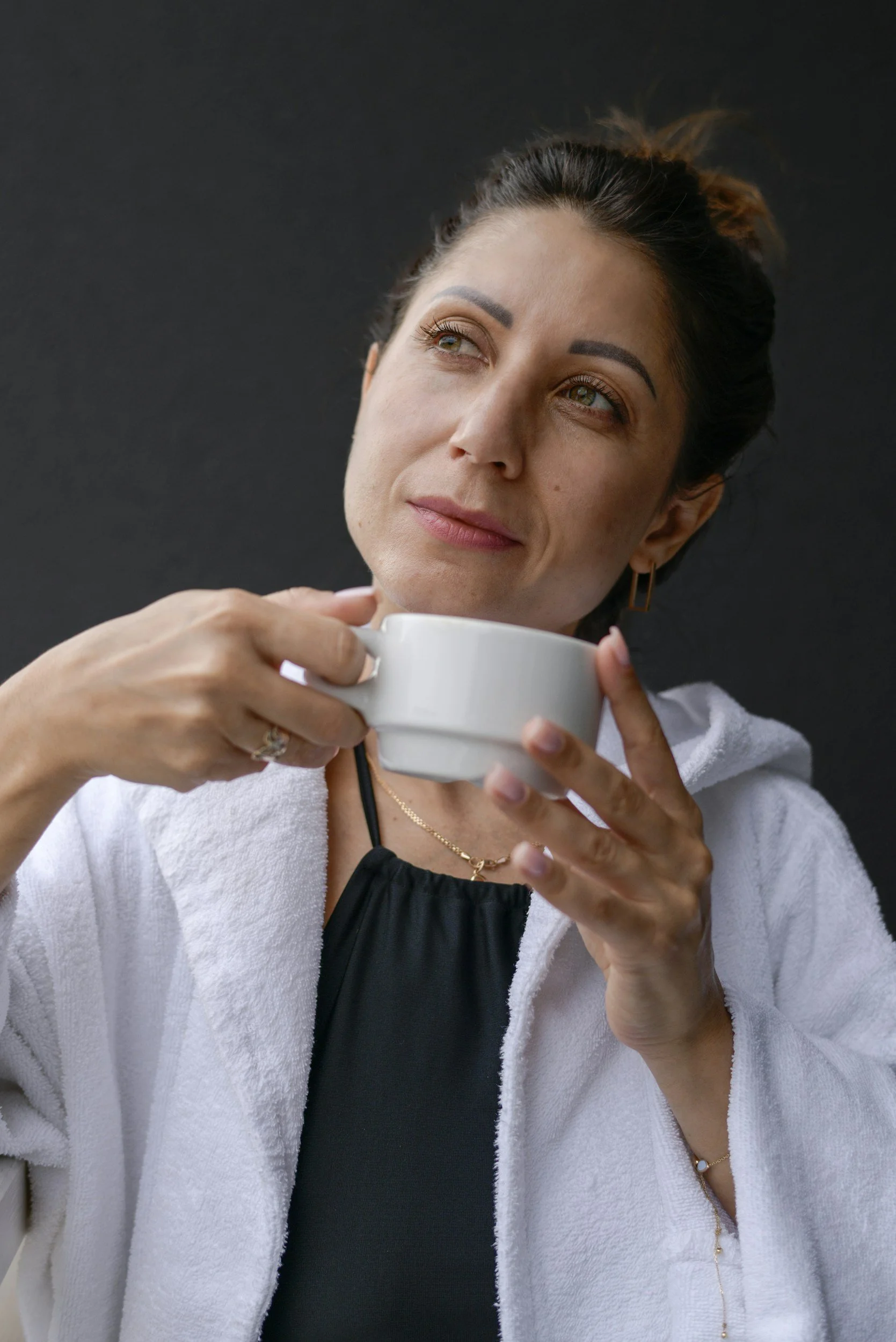
Hormonal changes during peri-menopause and menopause can significantly affect the tear film and meibomian glands. Many women notice new or worsening symptoms including dryness, watering, burning, light sensitivity and fluctuating vision.
Dry eye during this stage of life is common — but it is often under-recognised and under-treated.
Why It Happens
Oestrogen and androgen fluctuations affect tear production
Meibomian gland function can decline
Ocular rosacea may become more prominent
Contact lenses may suddenly feel uncomfortable
How We Help
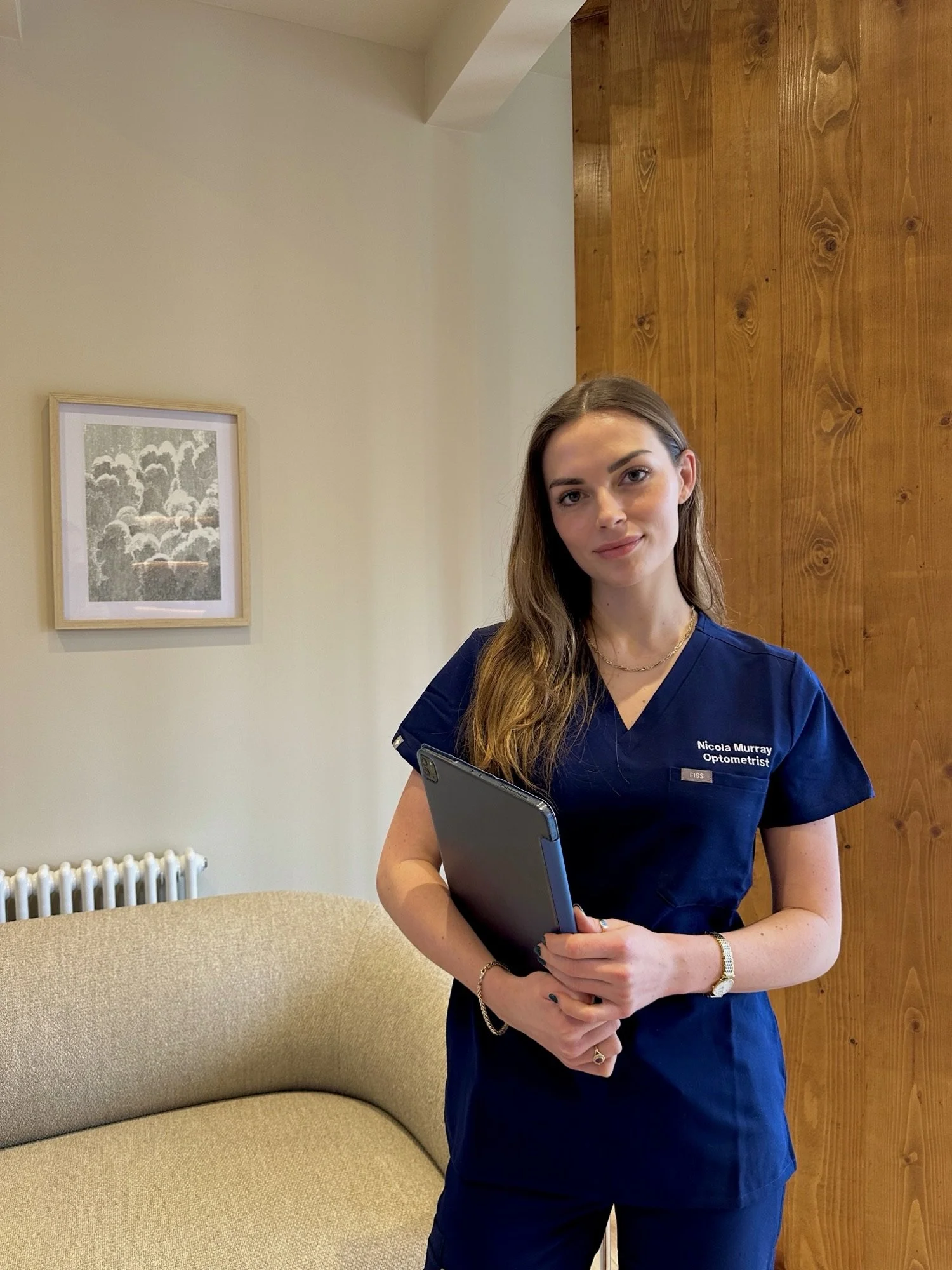
Our assessment identifies whether symptoms are driven by evaporative dry eye, gland dysfunction, inflammation or hormonal tear instability. Treatment may include:
Advanced tear film diagnostics
Meibomian gland therapy
IPL for ocular rosacea
Structured lid hygiene and targeted lubrication